


Types of Seedling Trays
Seedling trays are essential tools used in modern plant propagation. They allow growers to start seeds efficiently, manage seedlings in a controlled environment, and improve transplant success rates.
However, not all seedling trays are the same. Different plants, growing cycles, and production systems require different tray designs.
Understanding the various types of seedling trays helps growers select the right tray for their crops, improving both plant quality and production efficiency.
This guide explains the most common types of seedling trays used in greenhouses, plant nurseries, and commercial agriculture.


Plug Seedling Trays
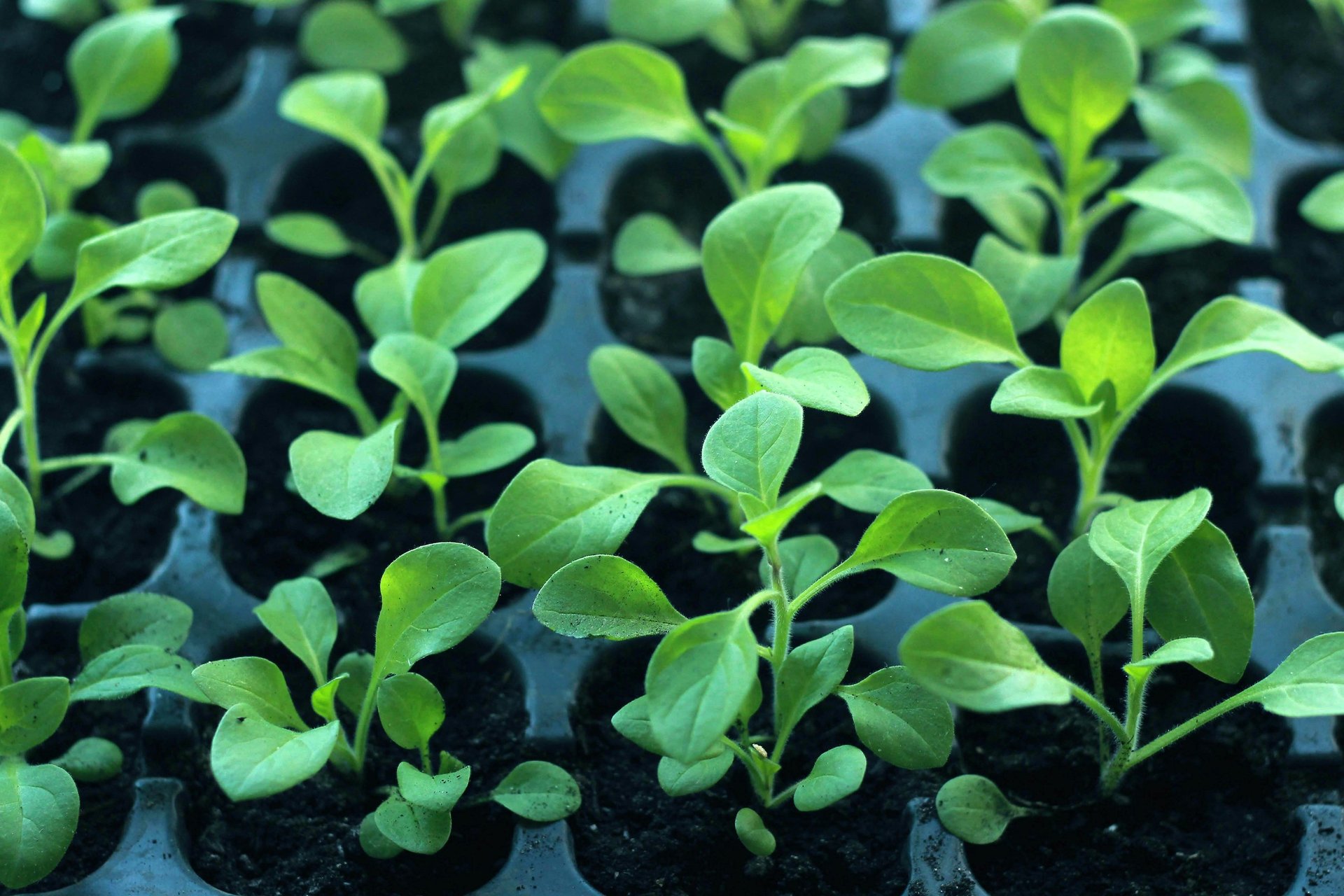
Plug seedling trays are the most widely used type of tray for starting seeds.
They contain multiple individual cells that allow each seedling to grow separately. This design prevents roots from tangling and makes transplanting easier.
Plug trays are commonly used for:
vegetables
flowers
herbs
greenhouse crops
Typical plug tray sizes include:
50 cell trays
72 cell trays
105 cell trays
128 cell trays
200 cell trays
Trays with fewer cells provide more space for root development, while trays with more cells are ideal for starting large quantities of small seedlings.


Deep Cell Seedling Trays
Deep cell trays are designed with deeper compartments that allow roots to grow longer before transplanting.
These trays are commonly used for plants that require a longer nursery period or stronger root systems.
Deep cell trays are often used for:
tree seedlings
tomatoes
peppers
cucumbers
outdoor vegetable crops
The additional depth supports stronger root development and helps reduce transplant shock when seedlings are moved to the field.


Flat Propagation Trays
Flat trays do not contain individual cells and are often used as support trays.
They are commonly placed underneath plug trays to hold multiple trays together and make watering and transportation easier.
Flat trays are widely used in greenhouses because they simplify seedling management and help keep growing areas organized.


Heavy Duty Nursery Trays
Heavy duty trays are designed for commercial nursery production where trays must be reused many times.
Compared with standard trays, heavy duty trays feature:
thicker plastic material
stronger structural support
longer service life
These trays are commonly used by large plant nurseries and commercial growers who require durable equipment for repeated planting cycles.


Vacuum Formed vs Injection Molded Trays
Seedling trays are generally manufactured using two main production methods.
Injection Molded Trays
Injection molded trays are thicker and more durable. They are designed for repeated use and long-term greenhouse production.
Benefits include:
stronger structure
longer lifespan
improved durability during handling and transport
These trays are often preferred by professional nurseries and commercial growers.
Vacuum Formed Trays
Vacuum formed trays are lightweight and cost-effective. They are commonly used for short production cycles and large-scale seed starting.
Advantages include:
lower manufacturing cost
lightweight design
efficient large-scale production
However, they may be less durable compared with injection molded trays.
How to Choose the Right Seedling Tray
Choosing the right tray depends on several factors.
Important considerations include:
plant type
root development requirements
greenhouse space
transplant schedule
tray durability
For example:
leafy vegetables often use high cell count trays
fruiting vegetables require larger cells
long nursery cycles benefit from deeper trays
Selecting the correct tray type improves plant health and helps growers optimize production efficiency.
Conclusion
Seedling trays come in a wide range of designs, cell sizes, and materials to meet different plant propagation needs.
From plug trays for vegetable seedlings to heavy-duty nursery trays for commercial production, each tray type plays an important role in efficient plant cultivation.
By understanding the differences between seedling tray types, growers can select the best solution for their greenhouse, nursery, or agricultural operation.
Frequently Asked Questions
What are the most common seedling tray types?
The most common seedling tray types include plug trays, deep cell trays, flat propagation trays, and heavy-duty nursery trays. Each type is designed for different plant growing requirements and nursery production systems.
What is a plug seedling tray?
A plug seedling tray is a tray with multiple small cells used for starting seeds. Each cell holds a single plant, allowing roots to grow independently and making transplanting easier.
Are seedling trays reusable?
Yes. Many commercial seedling trays are reusable, especially heavy-duty or injection molded trays. Proper cleaning and storage can extend their lifespan for multiple growing seasons.
How do I choose the right seedling tray size?
The right tray size depends on the plant type and how long the seedlings will remain in the tray. Small cells are suitable for herbs and leafy greens, while larger or deeper cells are better for vegetables that require stronger root systems.
Quality
Wholesale seedling trays for plant propagation needs.
Expertise
Service
richard@seedlingtrayexperts.com
+86 15205190013
© 2008-2025. All rights reserved. Suzhou Keyanuo Plastic Co., Ltd Copyright. Privacy policy. Terms and conditions.