

Seed Tray vs Plant Pots
Seed trays and plant pots are both commonly used containers in plant cultivation, but they serve different purposes during the plant growth cycle.
Seed trays are designed specifically for seed germination and early seedling development, while plant pots are generally used for growing larger plants after the seedling stage.
Understanding the differences between seed trays and plant pots helps growers choose the right container for their plants, improving plant health and cultivation efficiency.
This guide explains how seed trays and plant pots differ in structure, function, and application.
Introduction
What Is a Seed Tray?
A seed tray is a container designed to start seeds and grow young seedlings before they are transplanted.
Most seed trays contain multiple small compartments called cells, where individual seeds are planted. These cells help organize seedlings and prevent roots from tangling.
Seed trays are widely used in:
greenhouses
plant nurseries
commercial agriculture
hydroponic systems
home gardening
Because they allow many plants to grow in a compact space, seed trays are highly efficient for starting large numbers of seedlings.


What Is a Plant Pot?
A plant pot is a container designed for growing individual plants for a longer period of time.
Unlike seed trays, plant pots typically hold one plant per container and provide more space for root expansion as the plant grows.
Plant pots are commonly used for:
ornamental plants
indoor plants
vegetables after transplanting
nursery plants ready for sale
Plant pots are available in many sizes and materials, including plastic, ceramic, clay, and biodegradable materials.


Key Differences Between Seed Trays and Plant Pots
Seed trays usually contain multiple small cells within a single tray.
Plant pots are individual containers designed for a single plant.


Structure
Growing Stage
Seed trays are used during the germination and early seedling stage.
Plant pots are used after seedlings have developed stronger roots and require more space to grow.
Although both containers are used for plant cultivation, they serve different roles in the plant growth process.
Root Development
Space Efficiency
Seed trays provide limited root space because they are designed for short-term seedling growth.
Plant pots provide larger volumes of soil, allowing plants to develop extensive root systems.
Seed trays allow growers to start many plants in a compact area, making them ideal for large-scale seed propagation.
Plant pots require more space because each plant grows in a separate container.
When to Use Seed Trays
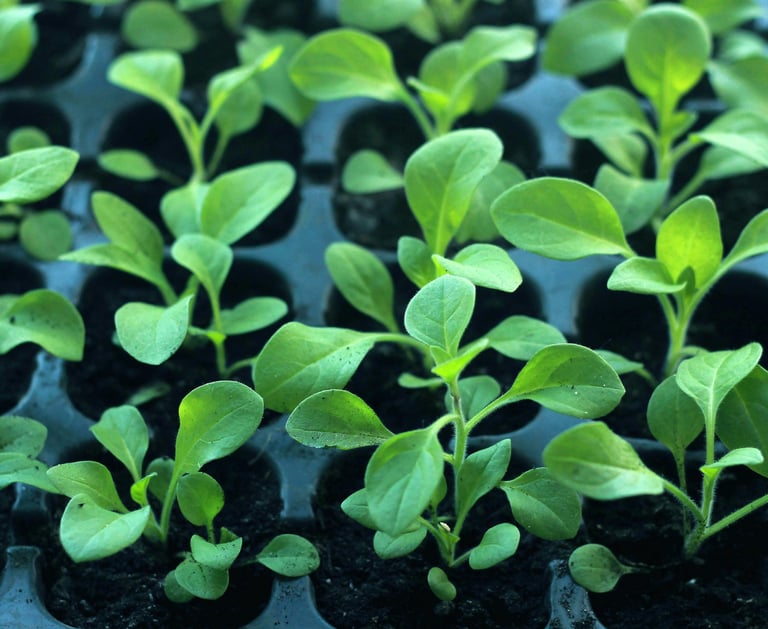
Seed trays are ideal when starting seeds or producing large numbers of seedlings.
They are commonly used for:
vegetable seed starting
flower propagation
greenhouse production
commercial nursery operations
Seed trays make it easier to control watering, monitor germination, and manage young plants.
When to Use Plant Pots
Plant pots are typically used after seedlings are transplanted from seed trays.
They are suitable for plants that require:
longer growing periods
larger root systems
decorative presentation
Plant pots are widely used for indoor plants, ornamental plants, and container gardening.


Can Seedlings Be Transplanted from Trays to Pots?
Yes. In fact, this is the standard growing process in many nurseries and greenhouses.
Seeds are first started in seed trays. Once the seedlings develop several leaves and stronger roots, they are transplanted into larger containers such as plant pots or directly into soil.
This method helps maximize seed germination efficiency while allowing plants to grow properly during later stages.

Conclusion
Seed trays and plant pots both play important roles in plant cultivation.
Seed trays are designed for starting seeds and managing young seedlings efficiently, while plant pots provide the space needed for plants to grow and mature.
By using the right container at the right stage of plant growth, growers can improve plant health, maximize space efficiency, and achieve better cultivation results.
Frequently Asked Questions
Should I start seeds in trays or pots?
Most seeds are best started in seed trays because trays allow growers to manage many seedlings efficiently and control germination conditions.
Can plants grow fully in seed trays?
Seed trays are designed for early growth stages. Most plants will eventually need to be transplanted into larger containers or soil for continued development.
Why do nurseries use seed trays?
Nurseries use seed trays because they allow large numbers of seedlings to be grown in a compact space while keeping roots separated and organized.
When should seedlings be moved to plant pots?
Seedlings are usually transplanted when they develop several true leaves and their roots have filled the cell space in the seed tray.
Quality
Wholesale seedling trays for plant propagation needs.
Expertise
Service
richard@seedlingtrayexperts.com
+86 15205190013
© 2008-2025. All rights reserved. Suzhou Keyanuo Plastic Co., Ltd Copyright. Privacy policy. Terms and conditions.