


The Ultimate Guide to Foam Seedling Trays: Benefits & Best Practices
Discover why foam seedling trays are the preferred choice for professional growers. Learn about their durability, insulation properties, and how they boost germination rates.
Richard
7/14/20263 min read
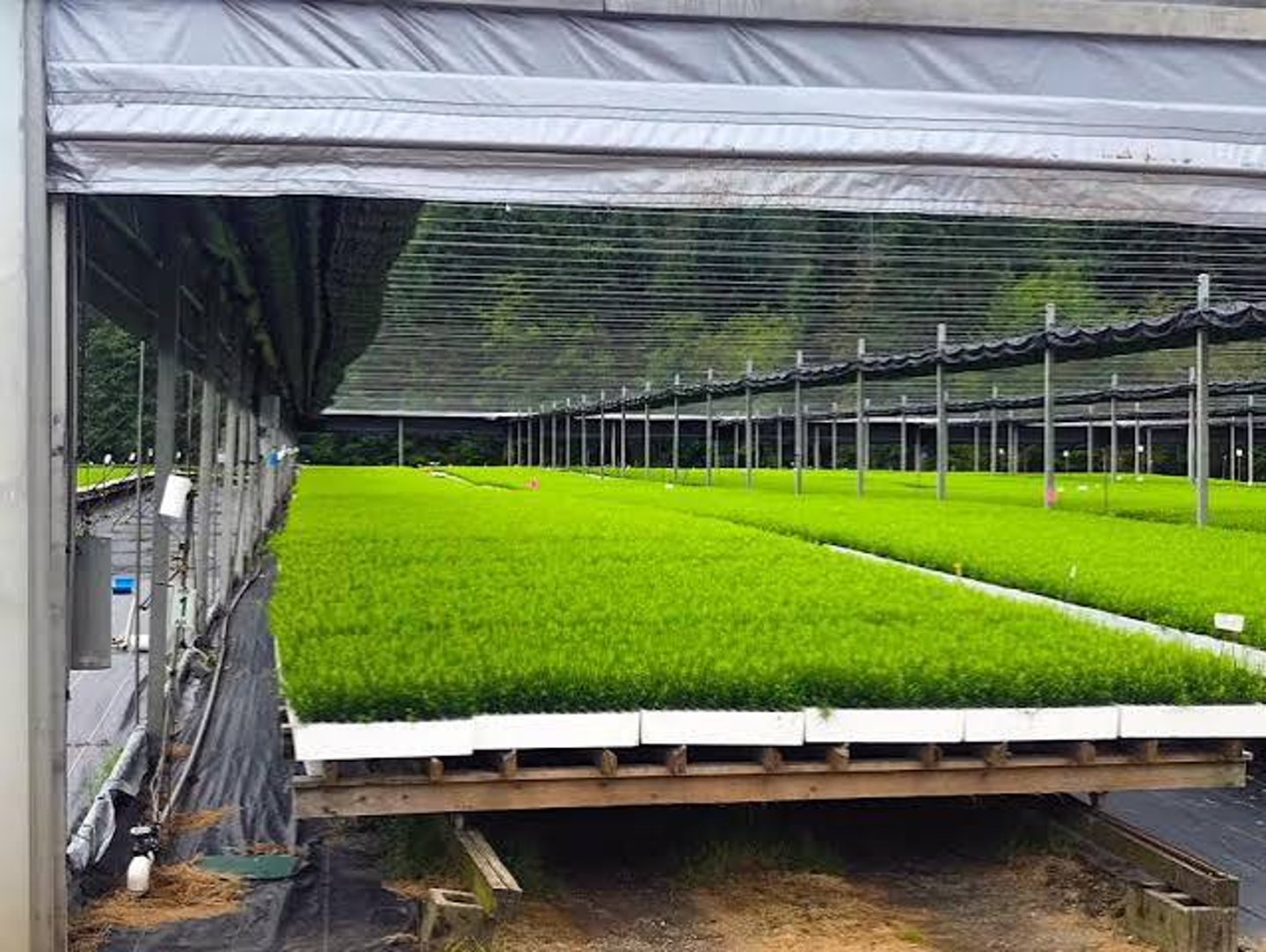
Elevating Your Germination Success: Why Foam Seedling Trays Are a Game-Changer
In the world of commercial agriculture and home gardening, the quality of your seedlings dictates the success of your entire harvest. While many growers start with standard plastic trays, there is a specialized solution that offers superior thermal regulation and root health: the foam seedling tray.
If you are looking to professionalize your nursery operations or simply improve your success rate with delicate crops, here is why switching to high-quality foam trays might be the best decision you make this season.
What is a Foam Seedling Tray?
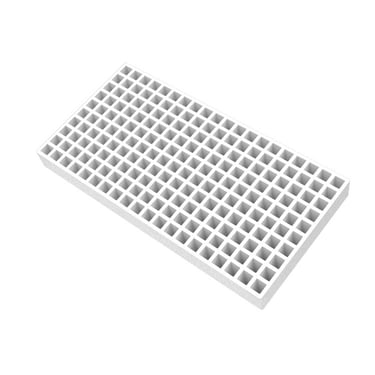
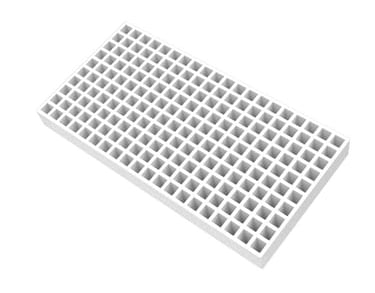
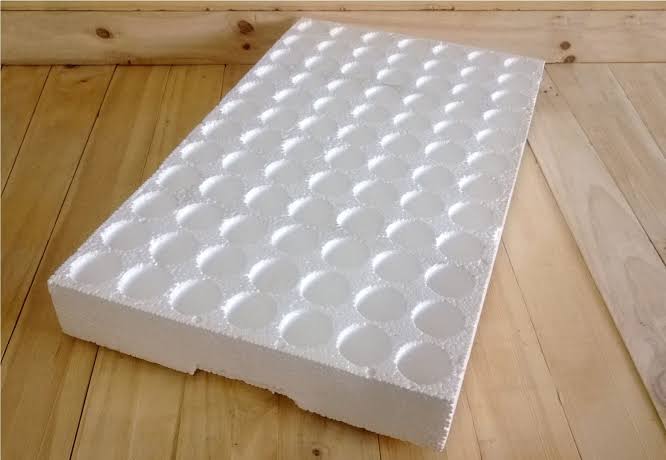
Foam seedling trays—often made from high-density expanded polystyrene (EPS)—are specialized propagation containers designed to mimic the natural soil environment while providing structural support for young plants. Unlike thin, disposable plastic trays, these are engineered for durability and thermal efficiency.
The Top Advantages of Using Foam Trays
1. Superior Thermal Insulation
Temperature stability is the biggest hurdle in seedling development. Foam acts as a natural insulator, protecting sensitive root zones from extreme temperature fluctuations. Whether you are dealing with cold nights or hot afternoon sun, a foam tray keeps the root environment consistent, which is essential for uniform germination.
2. Enhanced Root Health and Air Pruning
Many professional foam trays are designed with specific cell geometries that encourage "air pruning." When roots reach the edge of the foam cell, the exposure to air encourages them to stop growing outward and instead develop a dense, fibrous network. This prevents root-bound plants and ensures a stronger transition when transplanting into the ground.
3. Durability and Reusability
While traditional thin plastic trays often crack after a single season, high-density foam trays are built to last. They are lightweight yet rigid enough to be moved, stacked, and transported across a greenhouse without bending or losing their shape. This makes them a more cost-effective and sustainable investment over the long term.
4. Moisture Retention
The porous nature of high-quality foam helps maintain a stable moisture level within the growing medium. It prevents the rapid evaporation often seen in thin plastic trays, giving you more control over your watering schedule and reducing the stress on young seedlings.
Best Practices for Using Foam Seedling Trays
To get the most out of your foam trays, keep these tips in mind:
Sanitization is Key: Because foam is slightly more porous than smooth plastic, ensure you thoroughly clean and disinfect your trays between uses to prevent the buildup of pathogens. Use a mild bleach solution or a dedicated horticultural disinfectant.
Optimize Drainage: Always ensure your trays are placed on a level surface. While foam trays provide excellent insulation, they still require proper airflow underneath the cells to ensure the drainage holes function correctly.
Pair with High-Quality Substrate: Use a fine-grade peat or coco-coir mix that fills the cells evenly. Because foam trays provide such a stable environment, you want a substrate that can take full advantage of that consistent temperature and moisture.
Final Thoughts
Transitioning to foam seedling trays is more than just an upgrade in hardware; it is an investment in the vitality of your crops. By providing a stable, insulated, and supportive home for your seeds, you are giving them the best possible start to life.
Ready to upgrade your nursery?
Explore our collection of premium foam seedling trays at Seedlingtrayexperts.com and experience the difference in your germination rates this season.
Phone
+86 15205190013
richard@seedlingtrayexperts.com
Quality
Wholesale seedling trays for plant propagation needs.
Expertise
Service
richard@seedlingtrayexperts.com
+86 15205190013
© 2008-2025. All rights reserved. Suzhou Keyanuo Plastic Co., Ltd Copyright. Privacy policy. Terms and conditions.