

Onion Seed Starting Trays: Best Cell Sizes & Expert Tips | 2024 Guide
Discover the best onion seed starting trays for successful transplants. Expert recommendations on cell depth, spacing & tray selection for healthy onion seedlings.
Richard
4/10/20258 min read


Onion Seed Starting Trays: Best Cell Sizes & Expert Tips | 2024 Guide
Key Takeaways
128-cell trays offer the ideal balance of cell depth and space efficiency for most onion growers
Optimal cell depth for onions ranges from 1.5-2 inches, matching their shallow root system
Onion seedlings require 6-10 weeks in propagation trays before transplanting
Seed spacing of 3-5 seeds per cell with later thinning produces strongest transplants
Temperature control between 65-75°F during germination and 12-16 hours of light are critical success factors
Introduction: Why Onions Demand Specialized Seed Starting Trays
When starting onions from seed, your choice of propagation trays isn't just about convenience—it's about working with a crop that has distinctly different root architecture compared to most vegetables. Unlike tomatoes or peppers that develop deep taproots, onions are shallow-rooted crops that require thoughtful cell configuration to thrive.
The decision between direct sowing and using onion seed starting trays significantly impacts your final harvest. Direct-seeded onions face competition from weeds, inconsistent germination in cool soil, and a longer time to maturity. Conversely, transplants started in properly designed seedling trays establish faster, produce more uniform bulbs, and can be harvested 2-4 weeks earlier in northern climates.
As the founder of Seedling Tray Experts, I've spent over a decade helping commercial growers and home gardeners select the right equipment for onion propagation. This guide distills that experience into actionable recommendations for your specific situation.


Understanding Onion Root Characteristics
Shallow Root System Explained
Mature onion plants develop root systems that typically extend only 6-12 inches into the soil. This fibrous root architecture means onions are inefficient at accessing water and nutrients from deeper soil layers, making them ideal candidates for container-based seedling production where resources are concentrated near the surface.
During the seedling stage, which lasts 6-10 weeks, onions develop what growers call a "root ball"—a compact network of white, thread-like roots. The quality of this root ball directly determines transplant vigor and subsequent bulb development. Poor root architecture in the tray translates to stressed seedlings and inconsistent yields.
Why Root Ball Formation Matters
Onions transplanted as bare-root seedlings rely entirely on their established root mass to re-establish in the garden. Seedlings started in cells that are too small become root-bound, while those in oversized cells may not develop sufficient root-to-shoot ratio. The goal is a balanced root system where roots fill the cell without circling or becoming pot-bound.
Recommended Seed Starting Trays for Onions
First Choice: 128-Cell Trays
The 128-cell tray has become the industry standard for commercial onion production, and for good reason.
Cell specifications:
Cell depth: 1.5-2 inches
Cell volume: approximately 0.6-0.8 cubic inches
Standard 10x20" tray format
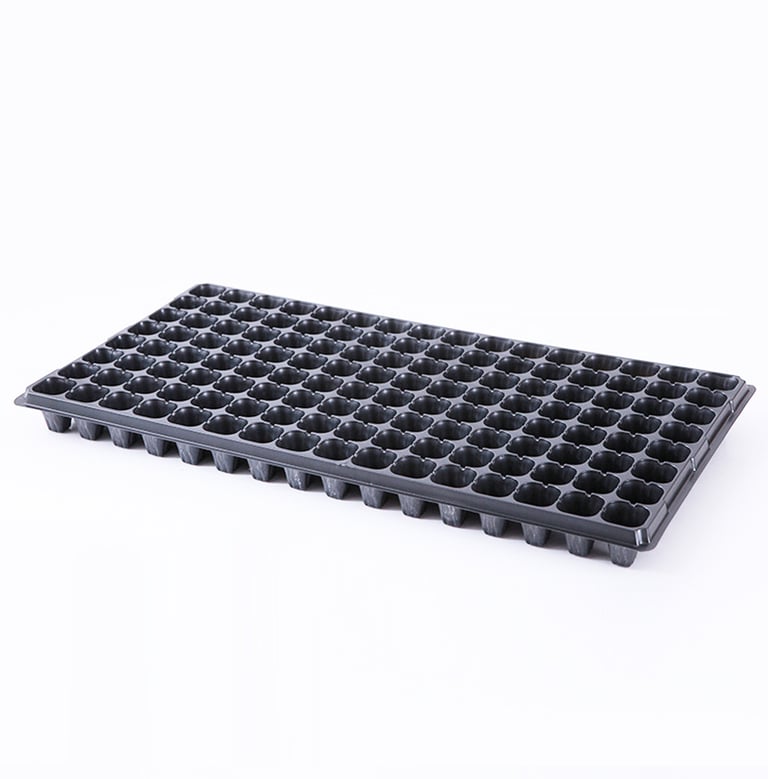
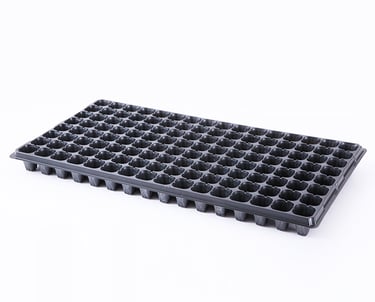
This cell depth aligns perfectly with onion seedling requirements. The cell depth for onions should accommodate the developing root system without excessive depth that wastes growing medium. At 1.5-2 inches, roots develop a tight, transplantable ball while avoiding the stress of circling roots.
Space efficiency is another advantage. A standard 10x20" tray produces 128 plants, making it economical for commercial operations requiring thousands of transplants. The relatively small individual cells encourage onions to focus energy on bulb initiation rather than excessive leaf growth.
Ideal for: Commercial vegetable operations, market gardeners, anyone growing more than 50 onion plants
Second Choice: 105-Cell Trays
For gardeners prioritizing premium onion seedlings or working with limited space, 105-cell trays offer a compelling alternative.
Cell specifications:
Cell depth: 2-2.5 inches
Cell volume: approximately 0.9-1.1 cubic inches
Slightly larger cells than 128-count
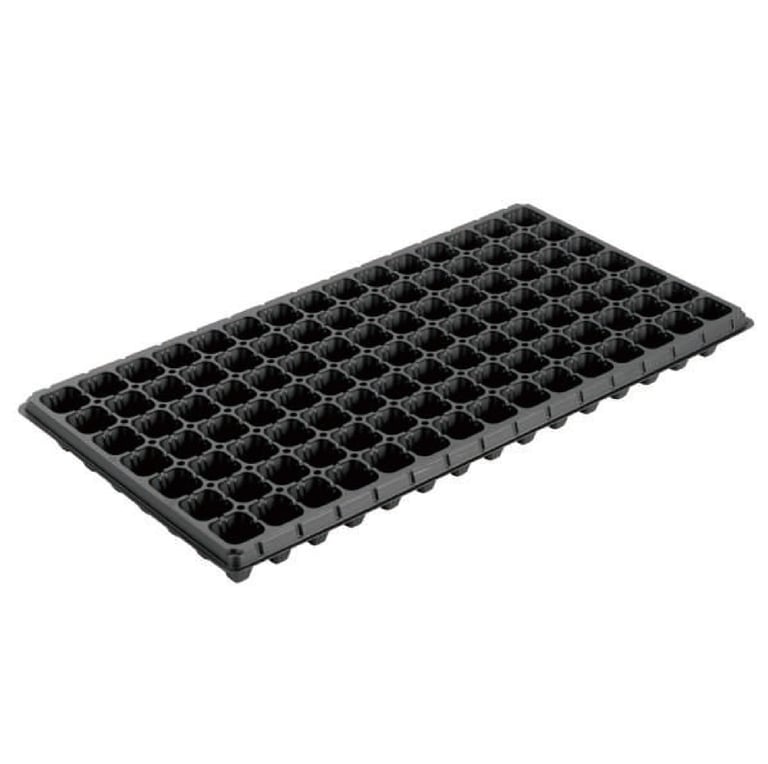
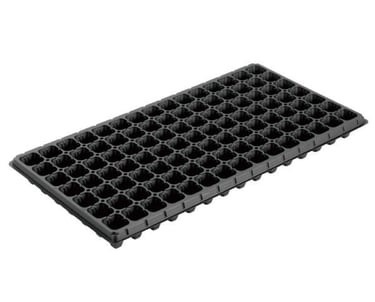
The increased cell volume allows for more extensive root development during the longer 8-10 week transplant window. Larger cells also mean better moisture retention, reducing the frequency of irrigation checks—a significant advantage for weekend gardeners.
This tray size excels when starting long-day onion varieties that benefit from extended juvenile growth phases. The additional depth prevents premature root binding and supports stronger top growth before transplanting.
Ideal for: Home gardeners, specialty growers, anyone starting fewer than 100 plants
Third Choice: 200-Cell Trays
High-density production scenarios call for 200-cell trays, though this option comes with important caveats.
Cell specifications:
Cell depth: 1-1.5 inches
Cell volume: approximately 0.4-0.5 cubic inches
Maximum plant density per tray
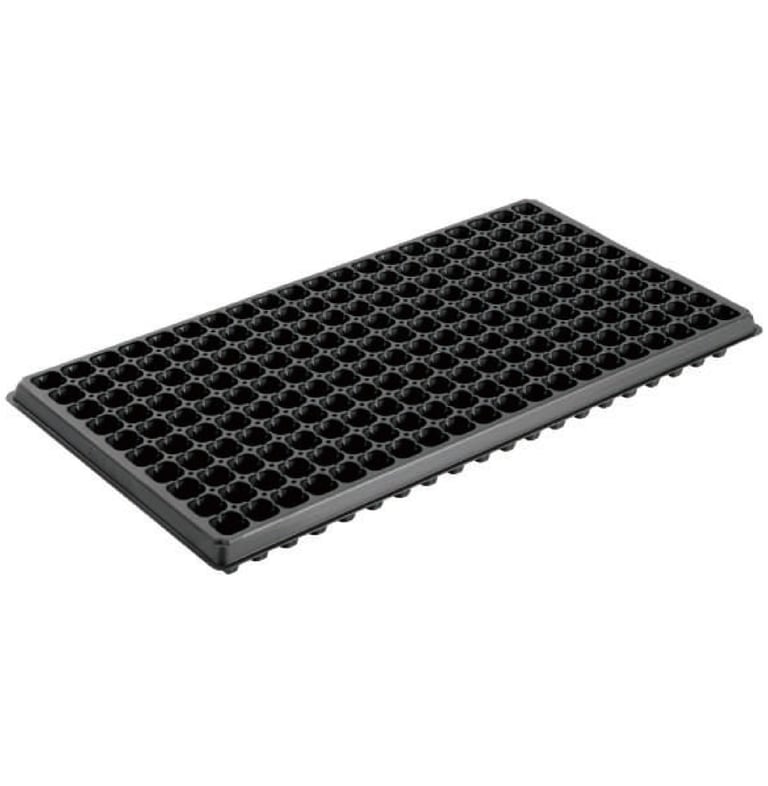
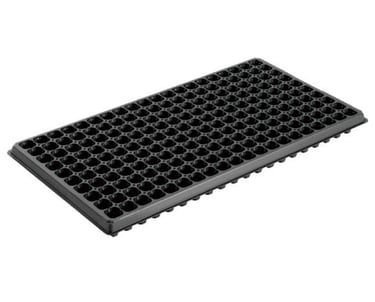
The primary advantage is sheer volume—you can produce 200 plants from a single 10x20" tray. However, the reduced cell depth requires tighter management of the transplant window, typically 4-6 weeks instead of the longer periods suitable for larger cells.
Critical consideration: These trays require earlier transplanting to prevent severe root binding. Once onion roots begin circling in undersized cells, transplant shock increases significantly. If choosing 200-cell trays, monitor seedlings closely and transplant at the first sign of root development beyond the cell bottom.
Ideal for: Large-scale commercial operations with efficient transplanting logistics, spring onion (scallion) production
Why Cell Depth Is Critical for Onion Success
The relationship between cell depth for onions and transplant quality cannot be overstated. Research from Cornell University Cooperative Extension demonstrates that onion seedling vigor correlates directly with available root zone volume during propagation. Further studies published by the University of California Division of Agriculture and Natural Resources confirm that shallow-rooted crops like onions benefit from concentrated nutrient availability in limited cell volumes.
Consequences of Insufficient Depth
When cell depth falls below 1.5 inches, several problems emerge:
Root binding: Onion roots begin circling within days of reaching cell walls, creating deformed root architecture
Stunted growth: Limited root mass restricts water and nutrient uptake, producing weak seedlings
Transplant shock: Root-bound onions experience higher mortality rates and delayed establishment
Bolting risk: Stressed seedlings are more prone to premature flowering, ruining bulb quality
Problems with Excessive Depth
Deeper cells (beyond 2.5 inches) aren't necessarily better:
Increased growing medium volume raises production costs
Greater moisture retention increases disease pressure, particularly from damping-off fungi
Roots may explore the full cell volume without developing the dense, transplantable ball preferred by growers
The optimal range of 1.5-2 inches represents the sweet spot where root development and economic efficiency meet.
Practical Growing Guide for Onion Seedlings
Sowing Techniques
Proper seed placement sets the foundation for success. Plant onion seeds at 1/4-1/2 inch depth—deep enough to maintain moisture contact, shallow enough for rapid emergence. Seeds planted deeper often fail to emerge due to limited energy reserves.
Seed spacing within each cell deserves attention. Place 3-5 seeds per cell, then thin to 2-3 seedlings once true leaves develop. Multiple seeds ensure complete cell utilization even with variable germination rates, while thinning prevents overcrowded competition. Ohio State University Extension research indicates that proper thinning significantly improves transplant survival rates in field conditions.
Environmental Requirements
Light intensity significantly impacts onion seedling quality. Provide 12-16 hours of grow light exposure daily, positioning lights 2-4 inches above seedling tops. Insufficient light produces leggy, weak seedlings that struggle to establish after transplanting.
Temperature management follows a two-phase approach. During germination, maintain 65-75°F for optimal emergence within 7-14 days. After germination, reduce temperatures to 60-70°F to encourage compact, sturdy growth and prevent premature bulbing. According to USDA Agricultural Research Service guidelines, temperature stress during seedling development can trigger early bulbing responses that reduce final bulb size.
Watering and Nutrition
Onion seedlings prefer consistent moisture without waterlogging. Check trays daily, watering thoroughly when the growing medium surface appears dry. Bottom watering through tray reservoirs often produces more uniform results than overhead irrigation, which can splash water and spread disease.
Begin fertilization with a diluted balanced fertilizer (such as 10-10-10) at half-strength once the second true leaf emerges. Continue feeding every 7-10 days throughout the propagation period. The University of Minnesota Extension recommends monitoring pH between 6.0-6.8 throughout the growing cycle, noting that imbalances significantly impact micronutrient availability in alliums.
Timing Your Transplant
Onions are ready for garden transplanting when stems reach approximately pencil-thick diameter—typically 1/4-1/3 inch. At this stage, seedlings have developed sufficient root mass without yet becoming root-bound.
The hardening off process prepares seedlings for field conditions. Over 7-10 days, gradually expose transplants to outdoor temperatures, wind, and direct sunlight. Start with 1-2 hours of outdoor exposure, increasing daily until seedlings tolerate full sun and ambient temperatures.
Troubleshooting Common Problems
Seedlings Growing Too Thin (Leggy)
Leggy onion seedlings typically result from inadequate light. Increase light duration to 14-16 hours and position lights closer to the plants. Maintain temperatures on the cooler side (60-65°F) to encourage compact growth rather than tall, weak stems.
Roots Growing Through Cell Bottoms
Once roots emerge from drainage holes, transplant within 3-5 days. Extended root exposure causes die-back and significantly increases transplant shock. When transplanting, gently tease apart the root balls to encourage outward growth in the garden soil.
Considering Egg Cartons or DIY Containers
While egg cartons and similar household containers might seem like convenient alternatives, they present serious problems for onion propagation. These containers rarely provide adequate cell depth for onions, typically measuring less than 1 inch. The limited volume produces root-bound seedlings unsuitable for transplanting.
Additionally, egg cartons often contain materials (wax coatings, recycled paper) that break down during the 6-10 week propagation period, potentially damaging delicate seedling roots. Commercial propagation trays for onions offer consistent dimensions, proper drainage, and reusable durability that DIY solutions cannot match.
Expert Tips from Richard
Lessons from Commercial Production
After producing millions of onion transplants, several patterns consistently predict success:
Start earlier than you think necessary. Onions tolerate cool temperatures and actually benefit from extended juvenile phases. Starting 10-12 weeks before last frost gives seedlings ample time to develop strong root systems before facing garden stress.
Quality over quantity in seed spacing. While placing multiple seeds ensures germination, the resulting crowded seedlings require careful thinning. Invest the time to thin to 2-3 plants per cell—the resulting seedlings will outperform crowded bunches in every metric.
Monitor pH in addition to moisture. Onions prefer slightly acidic growing medium (pH 6.0-6.5). Imbalanced pH locks out nutrients even when fertilization is adequate, producing yellowing leaves and stunted growth that mimics nutrient deficiency.
Commercial Grower Recommendations
For operations producing onions at scale, consider these additional factors:
Trays with anti-adhesive surfaces release seedlings more cleanly
Foam trays provide better insulation in unheated greenhouses
Standardize on 128-cell trays for labor efficiency in transplanting operations
Track germination rates by seed lot to adjust seed spacing accordingly
Why Choose Seedling Tray Experts for Onion Propagation
At Seedling Tray Experts, we've engineered our product line specifically for crops like onions that demand precise cell depth for onions specifications. Unlike generic horticultural suppliers, our seed starting cells are manufactured with the shallow root architecture of alliums in mind.
Our advantages:
Custom cell depth manufacturing from 1.0-3.0 inches to match your preferred transplant window
Multiple cell counts including 72, 105, 128, 200, and custom configurations
Commercial quantities with MOQ of 200 pieces and volume pricing
Material options including standard plastic, biodegradable peat, and recycled content
Whether you're starting 500 onions for a farmers market stand or 50,000 for a wholesale operation, we have the right onion seedling trays for your scale.
Contact Richard:
Website: seedlingtrayexperts.com
Phone: +86 15205190013
Making Your Final Decision
Selecting the right onion seed starting trays ultimately depends on your production scale, available time for management, and target transplant schedule. For most growers, 128-cell trays offer the best balance of efficiency and seedling quality.
If you're a home gardener with time for attentive care and desire premium transplants, 105-cell trays provide additional margin for error. Commercial operations focused on volume should evaluate 200-cell trays only if transplanting logistics can accommodate the compressed schedule.
Remember that successful onion propagation depends equally on tray selection and proper growing practices. Even the best propagation trays for onions cannot compensate for poor light, improper temperature, or inadequate hardening off.
Invest in quality trays, follow the guidelines above, and you'll be rewarded with strong, vigorous onion seedlings ready to transplant onions that produce exceptional harvests.
Quality
Wholesale seedling trays for plant propagation needs.
Expertise
Service
richard@seedlingtrayexperts.com
+86 15205190013
© 2008-2025. All rights reserved. Suzhou Keyanuo Plastic Co., Ltd Copyright. Privacy policy. Terms and conditions.