


How Plug Trays Affect Seedling Growth and Root Development | Seedling Tray Experts
Explore how plug tray design, cell size, and material impact seedling growth, root development, and transplant success. Learn expert tips to optimize your propagation process for healthier plants.
Richard
9/18/20246 min read
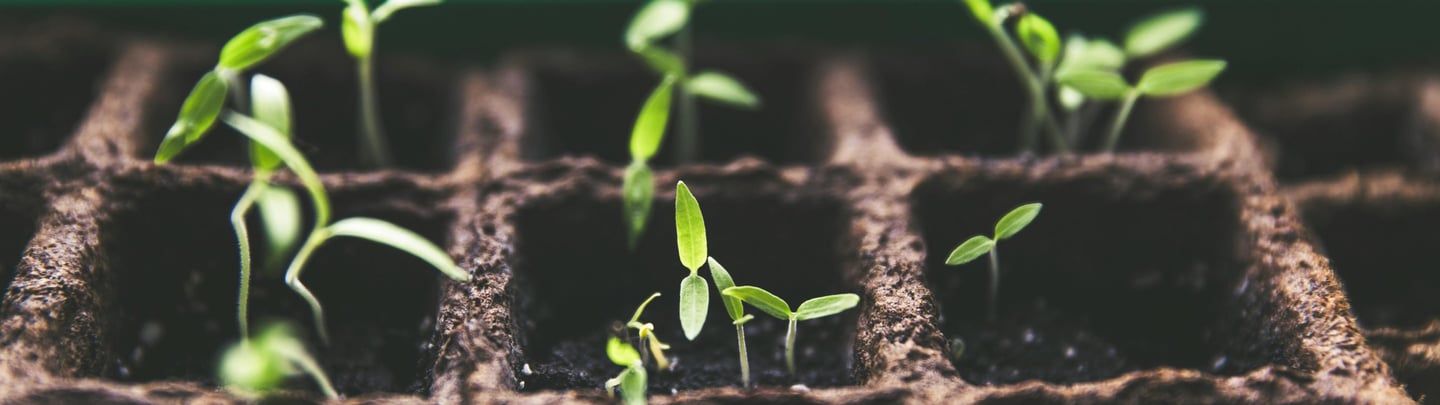
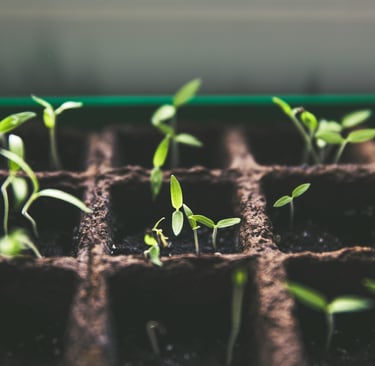
How Plug Trays Affect Seedling Growth and Root Development
Plug trays are more than just containers for starting seeds—they are critical tools that shape seedling growth and root development from germination to transplant. The design, size, and material of a plug tray directly influence root architecture, nutrient uptake, and overall plant vigor. At Seedling Tray Experts, we’ve spent over a decade studying the relationship between plug trays and plant growth, and in this guide, we’ll break down how different tray features impact seedling health and share our recommendations for optimizing your propagation setup.
The Role of Plug Trays in Seedling Growth
Plug trays provide a controlled environment for seedling development, offering several key benefits:
Space Efficiency: Allow you to grow hundreds or thousands of seedlings in a small area, maximizing the use of greenhouse or indoor space.
Uniformity: Ensure consistent access to water, nutrients, and light, leading to uniform seedling size and growth rate.
Transplant Ease: Keep root systems intact during transplanting, reducing shock and increasing survival rates.
Pest and Disease Control: Isolate seedlings from soil-borne pathogens, reducing the risk of infection.
However, poorly designed plug trays can hinder growth by restricting root development, causing waterlogging, or limiting nutrient uptake. Let’s explore how specific tray features impact seedling growth and root health.
How Plug Tray Design Impacts Root Development
Root development is the foundation of healthy seedling growth, and plug tray design plays a crucial role in shaping root architecture. Here’s how different features affect root growth:
1. Cell Size and Depth
The size and depth of plug tray cells directly determine the amount of space available for root growth, which in turn affects seedling size and vigor:
Small Cells (128-Cell to 392-Cell): Ideal for tiny-seeded plants like lettuce, herbs, and microgreens. Small cells promote compact root systems and early transplanting, but can restrict growth if seedlings are left in the tray too long.
Medium Cells (72-Cell to 105-Cell): Suitable for medium-sized plants like tomatoes, peppers, and annual flowers. These cells provide enough space for root development without encouraging excessive growth before transplanting.
Large Cells (50-Cell): Necessary for large-seeded plants like squash, melons, and tree saplings. Large cells accommodate long taproots and prevent root circling, which can stunt growth after transplanting.
Expert Tip: Match cell size to your plant’s expected root system at transplant time. For example, tomatoes transplanted at 4-6 weeks old thrive in 72-cell trays, while squash transplanted at 2-3 weeks old can grow in 50-cell trays.
2. Cell Shape
The shape of plug tray cells influences root growth patterns and nutrient uptake:
Square or Rectangular Cells: Encourage roots to grow downward and outward, promoting a balanced root system. Square cells also fit together tightly, maximizing space efficiency.
Round Cells: Can cause roots to circle around the edges of the cell, leading to girdling and reduced nutrient uptake after transplanting. Round cells are best for small-seeded plants that are transplanted early.
Seedling Tray Experts’ premium trays feature square cells with rounded corners, which balance root growth promotion with structural stability.
3. Drainage and Aeration
As discussed in our previous guide, proper drainage and aeration are critical for root health. Poorly drained trays lead to waterlogging, which deprives roots of oxygen and promotes fungal diseases like root rot. Trays with adequate drainage holes and side air vents:
Prevent root rot by ensuring excess water escapes quickly.
Promote fibrous root growth by allowing oxygen to reach the root zone.
Prevent root circling by drying out root tips, encouraging downward growth.
Our PP trays feature 3-6 drainage holes per cell and vertical side air vents, creating an optimal environment for root development.
4. Material
The material of the plug tray affects durability, temperature regulation, and root growth:
Polystyrene (PS): Lightweight and affordable, PS trays are ideal for single-use or short-term propagation. They provide good insulation for seed germination but may crack under heavy use. PS trays are best for seasonal vegetables and annual flowers.
Polypropylene (PP): Heavy-duty and UV-resistant, PP trays can be reused for 5+ growing seasons. They maintain a stable temperature in the root zone and feature side air vents to promote root growth. PP trays are perfect for perennial plants, tree saplings, and commercial nurseries.
Biodegradable Materials: Made from coconut coir, peat, or recycled paper, these trays are a sustainable option. They can be planted directly into the soil, reducing transplant shock, but are less durable than plastic trays and may restrict root growth if not properly decomposed.
How Plug Trays Affect Seedling Growth Beyond Roots
While root development is critical, plug trays also impact above-ground seedling growth in several ways:
1. Light Penetration
The design of the plug tray can affect how much light reaches the base of the seedlings. Trays with open cell tops and minimal sidewall shading allow more light to reach the lower leaves, promoting photosynthesis and reducing leggy growth. Our square-cell trays maximize light penetration by minimizing sidewall shadowing.
2. Water and Nutrient Uptake
Plug tray design influences how seedlings access water and nutrients:
Bottom Watering: Trays with drainage holes allow seedlings to absorb water and nutrients from the bottom, promoting deep root growth and reducing the risk of fungal diseases on the leaves.
Nutrient Retention: Cells with sloped bottoms and adequate drainage prevent nutrient leaching, ensuring that seedlings have access to essential minerals.
3. Temperature Regulation
The material of the plug tray affects soil temperature, which impacts seed germination and seedling growth:
PS Trays: Insulate the soil, maintaining a stable temperature for germination.
PP Trays: Conduct heat more evenly, preventing hot spots that can damage roots in warm environments.
The Impact of Plug Trays on Transplant Success
The ultimate goal of using plug trays is to produce healthy seedlings that thrive after transplanting. Here’s how tray design affects transplant success:
Root Ball Integrity: Trays that promote fibrous root growth (like our PP trays with side air vents) create a dense, intact root ball that holds together during transplanting, reducing shock.
Root Circling Prevention: Trays with side air vents or sloped bottoms prevent roots from circling around the cell, which can girdle the plant and stunt growth after transplanting.
Size Uniformity: Uniform seedlings from well-designed trays are easier to transplant and grow more consistently in the field or garden.
Expert Recommendations for Optimizing Seedling Growth with Plug Trays
Based on our research and customer feedback, here are our top tips for using plug trays to maximize seedling growth and root development:
1. Match Tray Size to Plant Type
Small-Seeded Plants (Lettuce, Herbs, Microgreens): Use 200-Cell to 392-Cell trays for dense propagation and early transplanting.
Medium-Seeded Plants (Tomatoes, Peppers, Annual Flowers): Use 72-Cell to 128-Cell trays for balanced root growth and uniform seedlings.
Large-Seeded Plants (Squash, Melons, Tree Saplings): Use 50-Cell to 72-Cell deep trays to accommodate long taproots and prevent root circling.
2. Choose the Right Material
Short-Term Propagation (Seasonal Crops): Use PS trays for affordability and insulation.
Long-Term Propagation (Perennials, Trees): Use PP trays for durability and root growth promotion.
Organic Growing: Use biodegradable coir trays for direct planting and reduced transplant shock.
3. Optimize Drainage and Aeration
Use trays with multiple drainage holes and side air vents to prevent root rot and promote fibrous root growth.
Avoid overwatering by using bottom watering methods and ensuring trays have adequate drainage.
4. Monitor Seedling Growth
Transplant seedlings when they reach the appropriate size for their cell type. For example, tomatoes in 72-Cell trays should be transplanted when they have 3-4 true leaves.
If roots start to circle the cell, it’s time to transplant or upgrade to a larger tray.
5. Clean and Sanitize Trays
Reusable trays should be cleaned with a bleach solution between uses to remove pathogens and debris that can hinder growth.
Case Study: How Plug Tray Design Improved Seedling Growth for a Commercial Nursery
A large commercial nursery in the Netherlands was struggling with low transplant survival rates for oak tree saplings. They were using 72-Cell round PS trays, which caused root circling and girdling after transplanting. After switching to Seedling Tray Experts’ 50-Cell deep PP trays with side air vents, they saw:
30% Increase in Transplant Survival Rate: The side air vents prevented root circling, allowing saplings to establish themselves more quickly in the field.
25% Faster Growth Rate: The deep cells accommodated the oak’s taproot, leading to stronger, more vigorous saplings.
Reduced Labor Costs: The durable PP trays could be reused for 5+ seasons, reducing the need for frequent replacements.
Custom Plug Tray Solutions for Unique Growth Needs
At Seedling Tray Experts, we understand that every grower has unique needs. That’s why we offer custom plug tray solutions, including:
Custom Cell Sizes and Depths: Design trays to fit your specific plant’s root system.
Modified Drainage and Aeration Features: Add extra drainage holes or side air vents for plants with high oxygen needs.
Branded Trays: Add your logo or labeling to promote your brand.
How to Order the Right Plug Tray for Optimal Seedling Growth
Ready to optimize your propagation setup with plug trays that promote healthy seedling growth and root development? Follow these steps:
Assess Your Plant Needs: Determine the seed size, root system type, and transplant schedule for your plants.
Browse Our Catalog: Visit www.seedlingtrayexperts.com to explore our standard tray sizes and features.
Request a Sample: We offer free samples of our PP and PS trays, so you can test their impact on seedling growth before ordering.
Consult Our Experts: Contact our team at richard@seedlingtrayexperts.com or +86 15205190013 to discuss custom solutions for your unique needs.
Place Your Order: Enjoy factory-direct pricing, fast shipping, and expert support for every order.
Conclusion
Plug trays are powerful tools that can either enhance or hinder seedling growth and root development, depending on their design and features. By choosing the right tray size, material, and design for your plants, you can promote healthy root architecture, improve nutrient uptake, and increase transplant success rates. At Seedling Tray Experts, we’re committed to providing high-quality plug trays that help growers produce strong, vigorous seedlings season after season.
Get in Touch:
Phone/WhatsApp: +86 15205190013
Website: www.seedlingtrayexperts.com
Invest in the right plug trays for your seedlings and watch your plants thrive from germination to harvest. With Seedling Tray Experts, you’ll get durable, efficient trays that support healthy growth and deliver consistent results.
Quality
Wholesale seedling trays for plant propagation needs.
Expertise
Service
richard@seedlingtrayexperts.com
+86 15205190013
© 2008-2025. All rights reserved. Suzhou Keyanuo Plastic Co., Ltd Copyright. Privacy policy. Terms and conditions.